Learning to Cope With Grief After Losing a Pet
There is no “right” way to grieve someone you loved deeply.
The loss of a beloved pet can feel earth-shattering.
For many people, pets are not “just animals” — they are family members, companions, routines, comfort, safety, and unconditional love woven into everyday life. When they die, the silence they leave behind can feel enormous.
The grief that follows pet loss is real, valid, and deeply human.
Why losing a pet hurts so much
Our pets are present through the quietest and most intimate parts of our lives. They greet us at the door, sleep beside us, comfort us through difficult times, and become part of the rhythm of our days.
Because of this bond, losing a pet can create grief that feels very similar to losing a human loved one. Research and grief organisations increasingly recognise that pet bereavement can cause profound emotional pain, including sadness, anxiety, guilt, loneliness, and even physical symptoms of grief.
You may notice:
; waves of sadness
; guilt or second-guessing
; disrupted sleep
; loss of routine
; emptiness in the home
; reaching for habits that no longer exist
; hearing or looking for them instinctively
All of this is normal.
Grief can feel physical, not just emotional
Many grieving pet owners describe grief as something they feel in their body ; tightness in the chest ; exhaustion ; heaviness ; nausea ; or an aching emptiness.
This happens because grief affects the nervous system as well as the heart. Love and attachment are deeply wired into us, so when we lose someone important, our body responds too.
You are not “too emotional.”
You are grieving a meaningful relationship.
There is no timeline for grief
One of the hardest parts of pet grief is that society sometimes minimises it. People may say things like:
“They were just a dog.”
“You can get another cat.”
“At least they had a long life.”
But grief does not measure species ; it measures connection.
Some days you may feel okay.
Other days the grief may hit unexpectedly and feel just as raw again.
This is normal too.
Grief is not linear. It moves in waves.
Guilt often walks alongside grief
Many families experience guilt after losing a pet.
; “Did I wait too long?”
; “Did I say goodbye too soon?”
; “Did they know how loved they were?”
; “Could I have done more?”
These thoughts often come from love ; not failure.
When we love deeply, we naturally wish we could protect our pets from ageing, illness, and death. The mind searches for control in situations that feel unbearable.
Please remember:
Your pet did not measure your love in perfect decisions.
They felt it through your care, your presence, and the life you shared together.
Gentle ways to support yourself through grief
There is no way to remove grief completely ; but there are ways to support yourself gently through it.
Some things that may help include:
; talking about your pet and sharing memories
; creating a memorial space or photo album
; keeping routines where possible
; allowing yourself to cry without judgement
; journalling your feelings
; lighting a candle or speaking to them aloud
; spending time with people who understand pet loss
; seeking grief counselling or support groups if needed
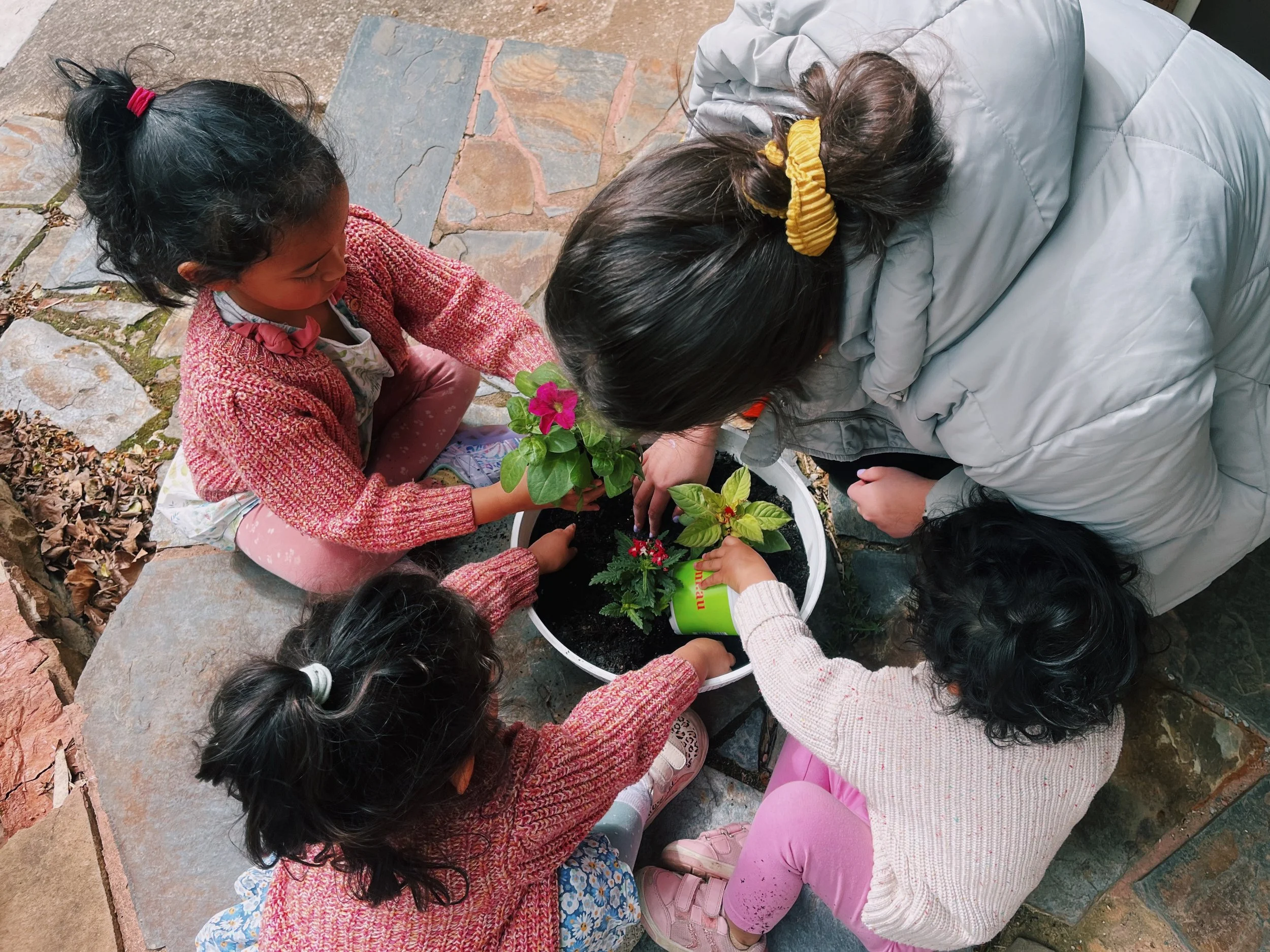
Many people also find comfort in keepsakes ; paw prints ; jewellery ; planting a tree ; or creating rituals to honour their pet’s life and memory.
Supporting children through pet loss
For many children, losing a pet is their first experience with death and grief. Honest, gentle communication can help them process this in a healthier and safer way.
Avoid phrases like:
; “they ran away”
; “they went to sleep”
These can create confusion, fear, or feelings of abandonment for children.
Children deserve the opportunity to say goodbye, ask questions, and understand loss in an age-appropriate way. While we naturally want to protect them from pain, helping them move through grief with support can build healthy coping skills and emotional resilience over time.
Love does not end here
One of the most difficult parts of grief is learning how to carry love without physical presence.
But grief exists because love existed first.
And that love does not disappear.
It lives on in routines, memories, photographs, quiet moments, and all the ways your pet changed your life simply by being part of it.
You do not have to carry this alone
If your grief feels heavy, please know support is available.
Pet Loss & Grief Support Resources
Pet Loss Support Australia
Pet Loss Support Australia
Griefline Australia
Griefline Pet Loss Resources
Beyond Blue
Beyond Blue
Association for Pet Loss and Bereavement
APLB Pet Loss Support
Forever In My Heart Pet Loss Counselling (Melbourne-based)
Forever In My Heart Pet Loss Counselling
A final note
There is no perfect way to grieve.
There is no timeline you need to follow.
There is only love ; learning how to exist after loss.
Please be gentle with yourself.
You loved deeply ; and that matters.