Helping Children Through the Loss of a Beloved Pet
For many children, the loss of a pet is their first experience with death and grief.
As parents and caregivers, our instinct is often to protect children from pain. We want to shield them from sadness, tears, and heartbreak. While this comes from a place of love, grief is a natural part of life, and learning how to navigate loss in a supported and gentle way can be an important part of a child's emotional development.
Pets are often much more than animals to children. They are best friends, confidants, playmates, and family members. When a pet dies, children experience a very real loss that deserves to be acknowledged and supported.
Children Often Grieve Differently to Adults
One of the most surprising things for parents is that children do not always grieve in the same way adults do.
Children often move in and out of grief. They may cry deeply one moment and be happily playing the next. They may ask difficult questions, then immediately return to their normal activities.
This does not mean they are unaffected or that they did not love their pet.
Children process grief in smaller pieces. As they grow and develop, they may revisit the loss and understand it differently at different ages.
It is normal for children to:
• Ask the same questions repeatedly
• Become more clingy than usual
• Show anger, frustration, or confusion
• Want to talk about their pet frequently
• Seem unaffected at times
• Become worried about other loved ones dying
• Look for reassurance and comfort
Every child grieves differently, and there is no right or wrong way to feel.
Why Including Children Can Be Helpful
Many parents wonder whether children should be involved in saying goodbye.
While every family and every child is different, many children benefit from being included in an age-appropriate way. Being given the opportunity to say goodbye can help a child understand what has happened and begin processing the loss.
Children may wish to:
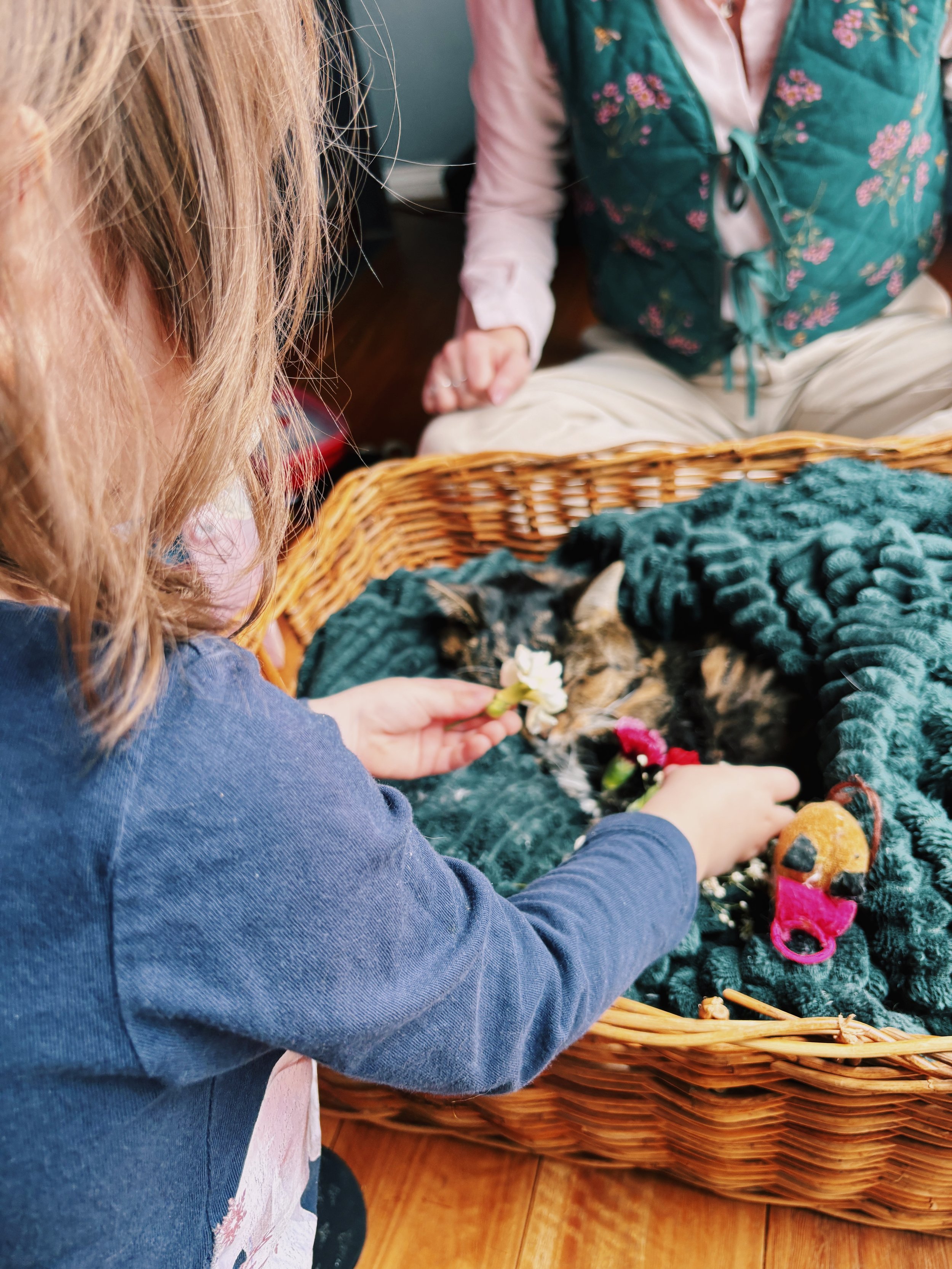
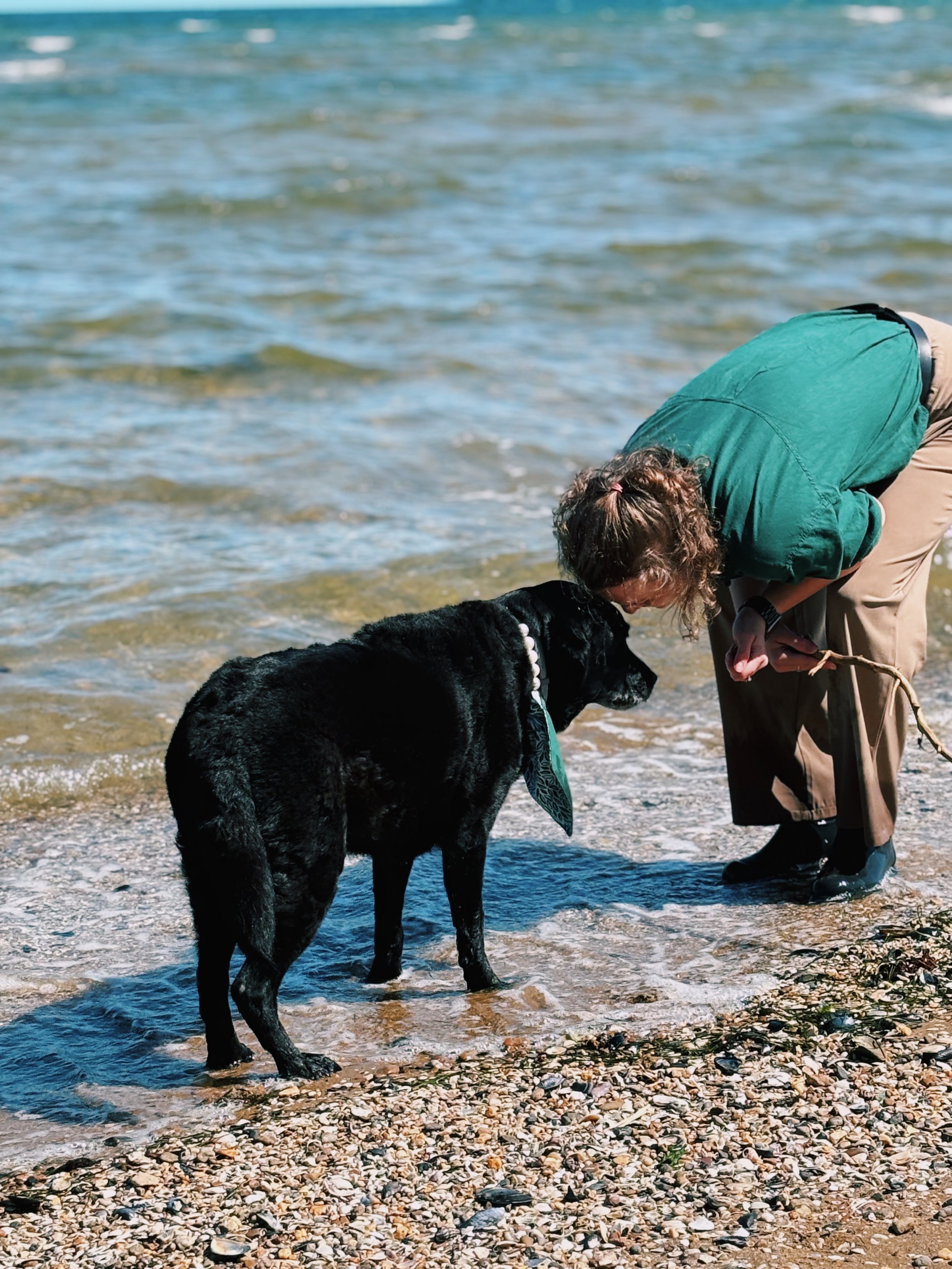
• Spend quiet time with their pet
• Give them a final cuddle
• Tell them they love them
• Share favourite memories
• Draw a picture or write a letter
• Help create a keepsake
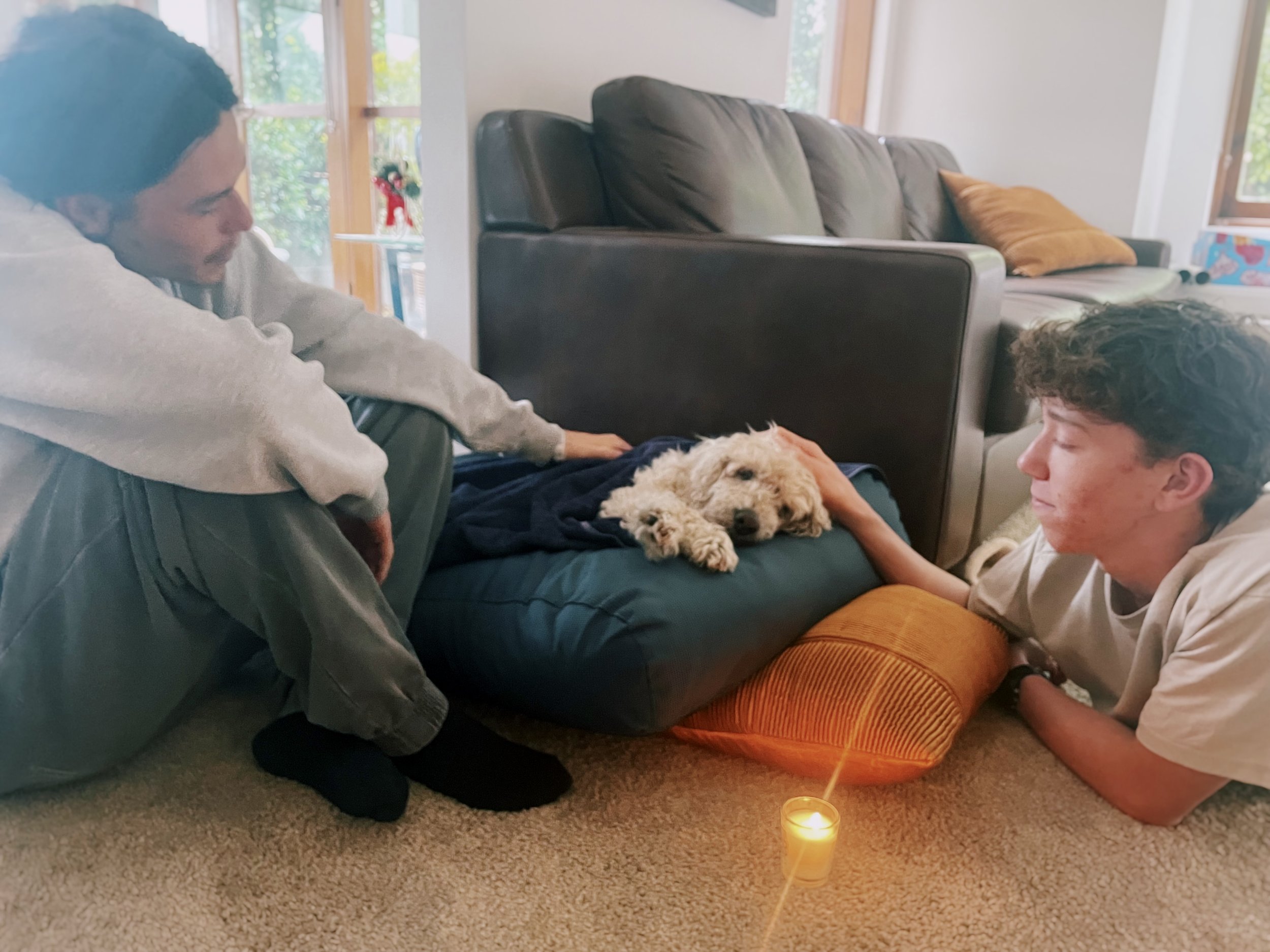
Being included allows children to feel part of the process rather than feeling confused or left behind.
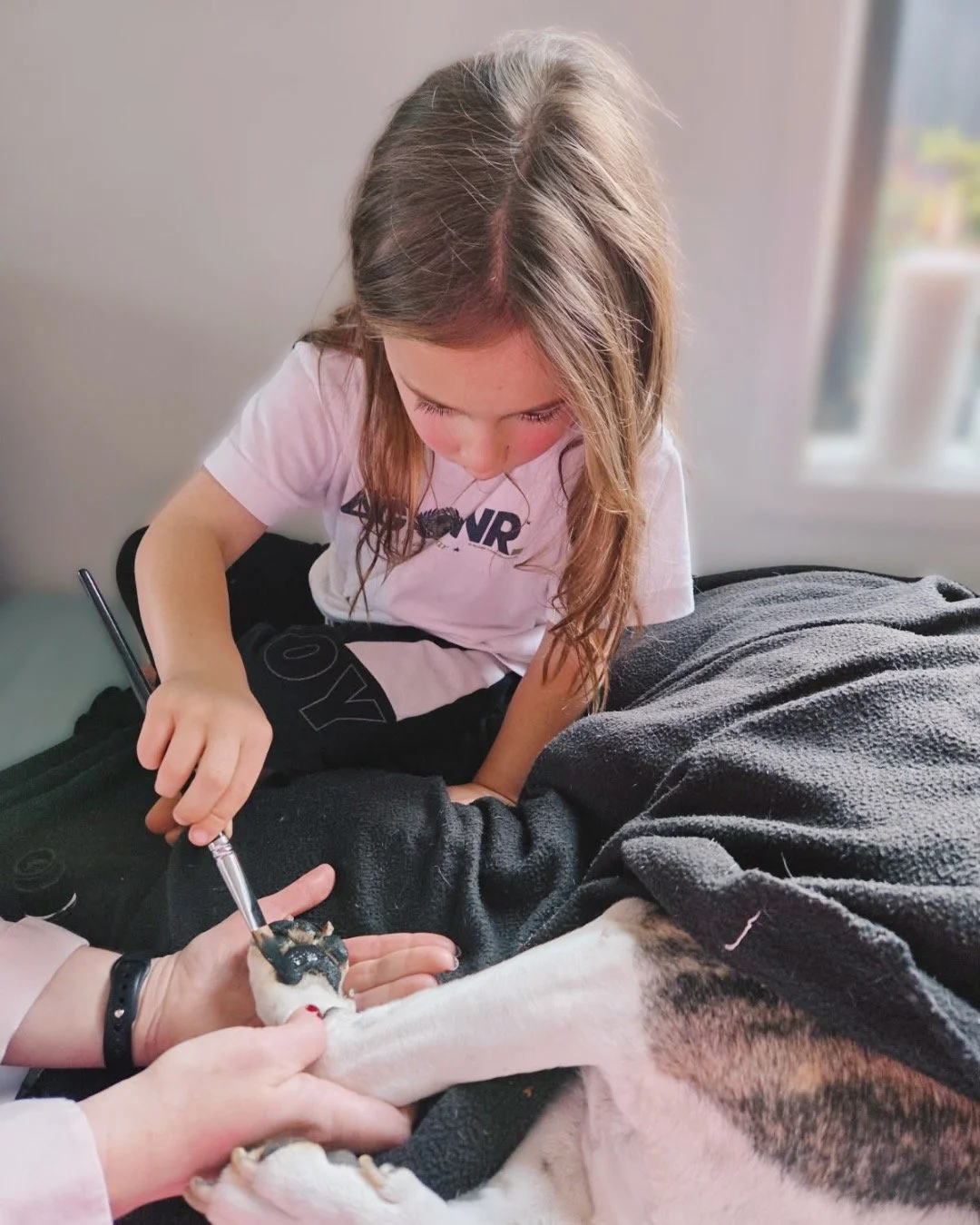
At Gentle Home Goodbyes, children are always welcome to be involved in whatever way feels comfortable for them. Some choose to be present, while others prefer to say goodbye beforehand or help create keepsakes afterwards.
Choosing Honest and Gentle Language
One of the most important ways we can support children is through honest communication.
Adults often use phrases such as:
• "They went to sleep."
• "They ran away."
• "They've gone on a holiday."
• "They went to live somewhere else."
While these phrases are usually intended to protect children, they can sometimes create confusion or unintended fears.
For example, a child who is told their pet "went to sleep" may become anxious about bedtime or worry that people who fall asleep might not wake up.
Simple, age-appropriate honesty is often kinder.
For example:
"Bella was very sick and her body stopped working properly. We helped her die peacefully so she wouldn't be in pain anymore."
Children are often more capable of understanding these conversations than we give them credit for.
Helping Children Remember Their Pet
Many children find comfort in continuing their connection with their pet through memories and rituals.
Some ideas include:
• Creating a memory box
• Making a scrapbook or photo album
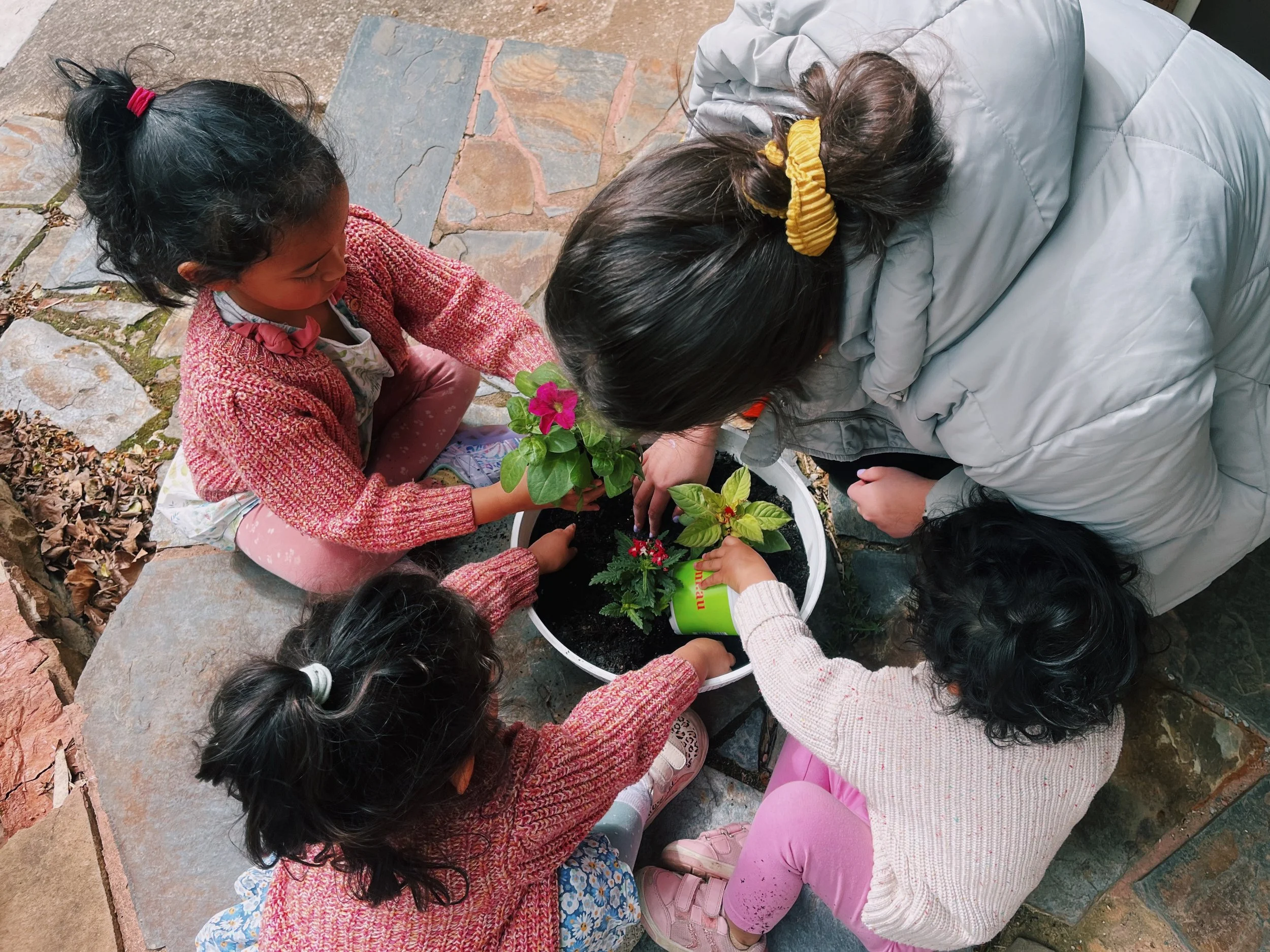
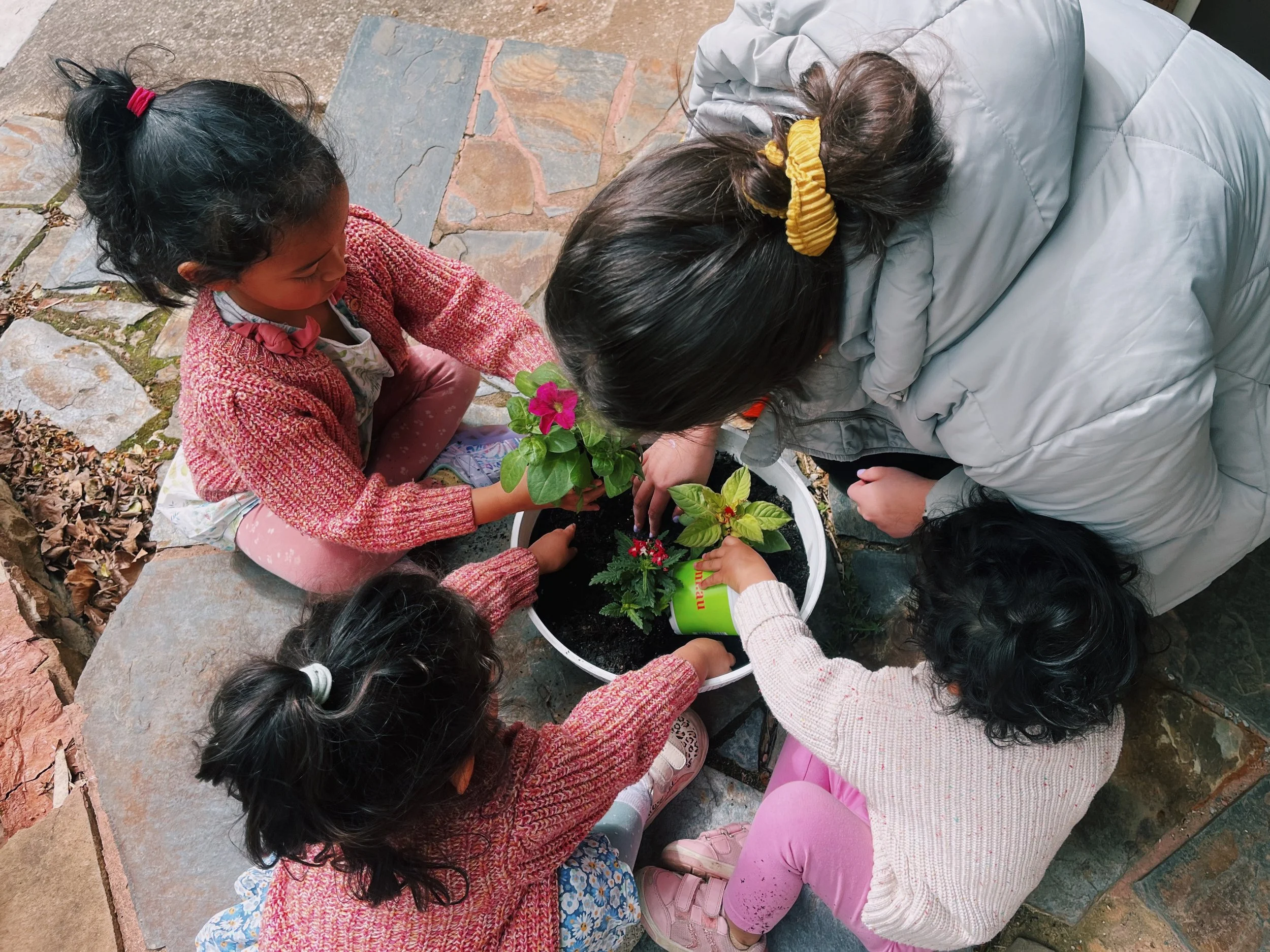
• Planting a tree or flowers in their pet's honour
• Writing letters to their pet
• Creating artwork or drawings
• Displaying a favourite photograph
• Keeping a paw print or special keepsake
These activities help children understand that while their pet is no longer physically present, the love and memories remain.
When Children Ask Difficult Questions
Children are naturally curious and may ask questions that feel difficult to answer.
Some common questions include:
• "Where did they go?"
• "Will I ever see them again?"
• "Why do animals die?"
• "Was my pet scared?"
• "Did they know I loved them?"
You do not need to have all the answers.
Sometimes simply listening and acknowledging the question is enough.
You might say:
"That's a really thoughtful question. Different people believe different things about what happens after we die."
This creates space for conversation without pressure.
It's Okay for Children to See You Grieve
Many adults feel they need to hide their sadness in order to protect their children.
In reality, seeing trusted adults express grief in healthy ways can be incredibly reassuring.
When children see adults cry, talk about memories, and express love for their pet, they learn that grief is a normal response to losing someone important.
You might say:
"I'm feeling sad because I miss Charlie. It's okay to feel sad when we love someone."
This helps children understand that grief is not something to be feared or hidden.
A Gentle Home Goodbye
One of the things many families tell us after an at-home euthanasia is how grateful they were that their children had the opportunity to say goodbye.
A home environment allows children to remain in a familiar, safe space surrounded by the people and pets they love. It creates opportunities for questions, cuddles, storytelling, and meaningful goodbyes without the stress of a busy veterinary clinic.
There is no expectation for children to participate in any particular way. What matters most is that they feel supported, heard, and given choices that are appropriate for their age and comfort level.
A Final Thought
As parents, we naturally want to protect our children from pain.
But perhaps the greatest gift we can give them is not a life free from grief, but the knowledge that grief can be navigated with love, support, and connection.
When children are included, listened to, and supported through pet loss, they learn that saying goodbye is painful because love was present.
And while our pets may leave this world, the love they gave us remains part of our story forever.