

Pet Death Doulas - GHG Featured in Vet Magazine
A pet doula supports pets and their owners during the final stages of a pet’s life as well as helps veterinarians in what can be a challenging care setting. By Josh Jennings
December 8, 2025
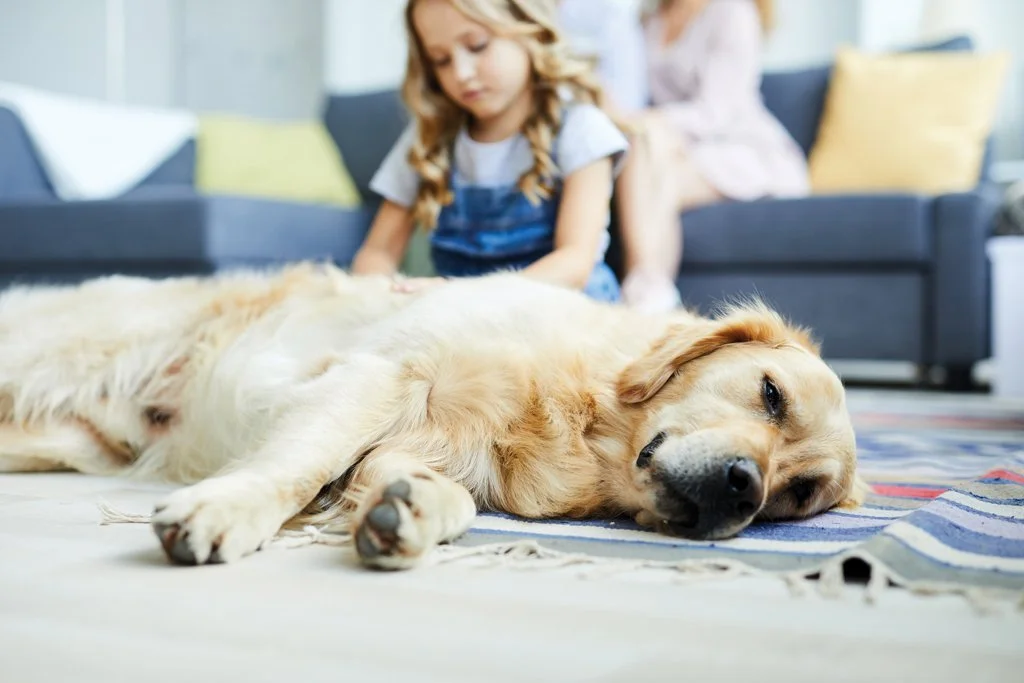
If you’re wondering what a pet death doula is, you’re not alone. Pet death doulas themselves will tell you that public awareness of the role—providing key emotional support for a grieving pet parent—is minimal.
Mobile end-of-life vet Dr Taylah Locastro dedicates herself to providing gentle vet care for animals living with chronic pain and nearing end of life.
She has only ever attended two pet goodbyes that included pet death doulas (the doulas participated over the phone) but says doulas absolutely have a complementary role to play in end-of-life pet care.
“A doula, or pet counsellor, can provide space holding, ceremony, and emotional support for families needing extra support. They can help with preparing the whole family including children, and be there post-euthanasia for grief processing,” says Dr Locastro
“If you aren’t able to provide additional support—for example, in clinic where time is limited—you could offer to delegate the emotional role to another service. Providing your clients with access to home euthanasia and grief support is essential.”
Pet death doulas can help pet owners decide when and where to euthanise their companion animals, and guide them on how to prepare for the periods preceding, during, and after euthanasia.
Ursula Dauenhauer is a pet death doula who runs end-of-life pet care business Fur Angels. Fur Angels provides emotional and practical support (non-medical) to help pets and their owners experience peace and dignity at the end of a pet’s life.
Dauenhauer says vets often perform euthanasia when pet owners’ distress is heightened. This is especially likely if their pet has been their sole companion or an integral family member. “That is just a lot to ask,” she says. “There is a lot known about compassion fatigue in the vet industry, and my heart goes out to the vets, because they are under so much emotional strain.”
Dr Locastro visits pet families to provide a mix of at-home pet euthanasia services. She supports them in recognising when it’s the right time to say goodbye, and offers palliative care and pain relief in the days, weeks, and months leading up to that moment. When the end comes, both the pet and their family are better prepared, emotionally and physically.
During the goodbye session, Dr Locastro administers sedation before placing the cannula, keeping the process as calm and fear-free as possible. She says her approach centres on supporting the entire family through what can be one of life’s hardest days.
She also finds that creating keepsakes together—such as a nose print, paw print, or lock of fur—offers families solace. Her service also includes gentle aftercare and transfer for cremation, along with access to grief and pet-loss support.
“A doula, or pet counsellor, can provide space holding, ceremony, and emotional support for families needing extra support. They can help with preparing the whole family including children, and be there post-euthanasia for grief processing.”
~ Dr Taylah Locastro, end-of-life vet
Earlier in her career, Dr Locastro worked in emergency medicine, where pets were often euthanised under time-pressured and emotionally intense conditions. This informs the care she offers today, as does the fact she has never had the chance to say her own goodbyes in an unhurried way. “At home, we have time,” Dr Locastro says. “Time is everything in end-of-life. I have time to read a poem and hear the stories about people’s pets, and allow the family to process each step of the goodbye.
“Pets can fall asleep in their favourite spot, whether that’s on their parent’s lap on the couch, or on a picnic rug in the backyard. There are all their familiar smells, soft bedding and blankets, and of course, all the people they love.”
Since 2024, the University of New England has offered the End-of-Life Pet Death Doula Certificate program.
Michigan-based pet death doula Tracey Walker, founder of Let it Be – End of Life Planning, is course instructor.
According to Walker, the university is maxing out the six- week online course at 30 students per cohort, three times a year. Around 250 students have completed the course so far, she estimates.
“Many are veterinary professionals who’ve witnessed countless goodbyes and want tools to better support clients and themselves,” she says. “There are definitely human death doulas looking to expand their practices, and therapists who recognise that grief is grief, no matter the species.”
There are no official numbers on pet death doulas in Australia but several Australian pet death doula businesses are listed online, and there are social media pages and groups dedicated to pet death and wider death doulaship.
Dauenhauer says she became a pet death doula (and pet memorial celebrant with counselling qualifications) after experiencing the profound grief and trauma of losing her own spoodle Cobber. She says she anticipates pet death doulas playing a bigger role in end-of-life pet care in future.
“It’s in very early stages, and I think it will increase dramatically, just as death doulas for humans have increased. Because they’re dealing with an emerging generation of people who have very different relationships and deep emotional bonds with their pets.”
Walker provides companion animal death doulaship and death education as part of Let it Be – End of Life Planning’s services. She says that once vets understand that doulas provide emotional and logistical support rather than medical care, they see them as collaborators rather than competitors. “There’s a sense of relief when they realise we can help shoulder some of the non-medical aspects of end-of-life care—like the conversations, sitting with, and family support that they don’t always have time or bandwidth for. We also have the capacity and typically the skill to do quality-of-life assessments.
“Ultimately, there’s tremendous mutual respect. We’re both working toward the same goal of a peaceful, dignified death for the animal (whether euthanasia or naturally supported death), and comfort and understanding for the people who love them. When that shared purpose comes through, it bridges any uncertainty and really strengthens the circle of care.”
Link to original article: https://www.vetpracticemag.com.au/pet-death-doulas/